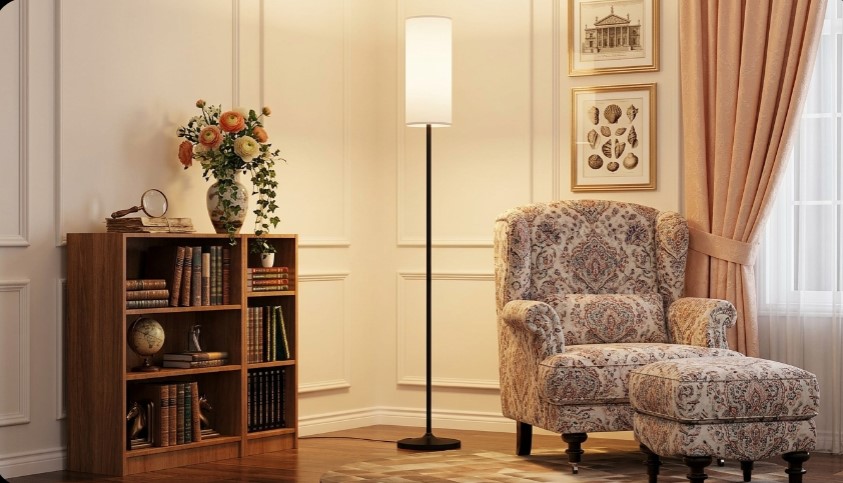
How To Position a Floor Lamp in a Living Room? The Ultimate Guide to Achieving the Ideal Lighting Balance
Introduction: Not Just for the Corner of a Room
The purpose of lighting in the living room isn’t necessarily just about brightening up the room; it can also help to set the mood, create depth, and give people a more comfortable place to live. Many people are curious about how they should go about positioning a floor lamp in the living room in such a way that it feels practical but also looks good at the same time. To answer this question, you first need to understand how light interacts with furniture, the size of the room, and activities that occur on a daily basis in that room.
You can use a properly positioned floor lamp to create a “reading nook” or take away shadows or highlight a design element. When the floor lamp is placed correctly, it will be an integral part of the room and not just an afterthought!
Understanding Why You Are Using Light
Before determining how you are going to place your floor lamp in the living room, you will want to determine why you will be using the floor lamp. You must understand that not all lamps provide lighting in the same way.
You need to ask yourself:
• Do you require the lamp's light to read by (task lighting)?
• Is the lamp intended to provide overall light for the room?
• Will you use it to highlight objects like decorations or pictures?
Once you have determined the reason or purpose of the lamp, it will help pinpoint the best placement, height, and direction.
Positioning Floor Lamps Next to Seating
One of the most common and effective placements of a floor lamp is next to the seating area (sofa or chair) because it is a practical and comfortable area that can be used together.
Examples:
• Position the lamp slightly behind/range of motion from the seat.
• Ensure that the light shines over your shoulder when reading.
• Avoid placing the lamp directly in front of your face.
Evening relaxation is one of the best benefits of utilizing a floor lamp. It’s practical if you ask yourself how I can use my floor lamp in my living room.
Using Corners to Maximize Space
Most corners in a room are under-utilized. Setting a lamp in a corner will provide light to areas of your home that would otherwise be dark. It will also help create depth in your space.
Corners provide these benefits:
• Distribution of Light
• Dimension to the Room
• Subtle Decoration
Tall or arc style lamps work best as they project their light in a wider angle while using only a small amount of floor space.
Using A Lamp Behind or Beside Furniture
Another option when thinking about how to place a floor lamp in your living room is to place the floor lamp behind the large furniture items you own. You can use side tables, couches, etc., as a support base for your lamp.
Benefits of placing a lamp behind larger furniture include the following:
• Paths Remain Unobstructed
• Enhance The Effect of Indirect Lighting on The Space
• Better Layered Overall Effect of the Lighting
By using lamps behind or beside furniture, you can make the most of how to place a floor lamp in your living room while maintaining both functionality & visual balance.
Creating A Reading Nook
If you love to read, adding a dedicated corner with a lamp next to a chair would be the ideal setup for your reading experience. By using the same lamp mentioned above, along with a comfortable chair, you can create an area in the room that has focused lighting on the area where you will be reading, allowing for easy visibility and comfort.
Suggestions for setting this area up correctly include:
• Choosing An Adjustable Head Floor Lamp
• Ensure There Is Enough Brightness in the Lighting for Reading Without Being Too Harsh
• Keep Your Floor Lamp Within Reach So You Can Easily Switch It On/Off
This arrangement creates both comfort & practicality, creating a great reading area for you to spend time in!
When multiple sources of light are available, it is much easier to create a sense of balanced lighting in a room. In a typical living environment, no single lamp or source can supply sufficient overall lighting. All forms of lighting in the living room should be integrated and layered together. Floor lamps are best used in combination with ceiling and/or table lamps.
To achieve balance when using multiple types of lamps in the living room:
• Position lamps in locations that do not receive natural light.
• Spread all lamps out over a large area, rather than clustering multiple lamps in proximity.
• Provide multiple lamps for larger spaces.
By using layering as part of the overall lighting design, you can create a comfortably warm and inviting environment and find the proper floor lamp placement by considering the entire space.
Determining Appropriate Height and Proportions
When considering where to place your floor lamp, remember that the lamp's height will affect how it fits into the room's overall design. The lamp needs to be at the appropriate height and proportionate to the furnishings in the room. If the lamp is too tall, it will visually disrupt the balance of the room.
Keep in mind these general guidelines for height and proportion:
• The bottom of the shade of the lamp should be at the viewer's eye level when seated.
• The lamp should be in proportion to the size of the furniture next to it.
• Slimmer lamps are preferred for compact spaces.
With the correct proportion, the lamp should blend into the overall environment.
Finding the Correct Placement of the Lamp Based on Style
A floor lamp serves two main functions in a living room: providing light and adding beauty and/or style. When choosing a floor lamp to place in your living room, consider the overall theme of that room and choose a floor lamp that complements that theme.
Some examples of how to match floor lamps with the type of style in the room are:
• Sleek and minimalist for modern style rooms
• Fabric shade for traditional style rooms
• Iron or metal for industrial style rooms
Lamps4u.shop has a wide variety of styles of lamps available, making it easier to find a floor lamp that fits the aesthetic requirements of your space and meets your overall lighting needs.
Avoiding the Most Common Mistakes When Placing a Floor Lamp. Outcomes can be predetermined based on different types of errors.
Note:
Blocking pedestrian traffic with improperly placed fixtures
Placing light sources that cause reflection on monitors
Not taking into consideration the direction of the light
Too many lamp sources in one location
Preparation of the layout will assist in preventing these issues and improving usability.
Design Concepts to Combine
When you put these concepts together, here are three (3) examples of how to use lamps for different purposes:
1 — Next to a couch: Great for reading and lounging.
2 — In a corner: Provides ambient light and depth.
3 — Behind a sectional couch: Delivers indirect, diffuse light.
4 — Next to an accent table: Combines function and convenience.
Each example demonstrates how the same fixture can serve many different uses, depending on where it is located.
Final Thoughts: Lighting that Complements the Room
How to determine the correct placement of a lamp is no longer about adhering to hard-and-fast rules but is instead based on consideration of many variables—layout, function, usability, and style—when determining whether a certain lamp will meet the intended use or décor of your home. With the right fixture location, your lamp can provide you with a level of comfort, improve functionality, and add to the overall style of your home.
When you consider the purpose, position, and proportion of each lamp, it can ultimately help you to identify the significant role that a lamp can play in defining your living environment. When you plan carefully, your lamps will not only provide light for the room, but they will also provide a level of elevating the entire environment when they do.