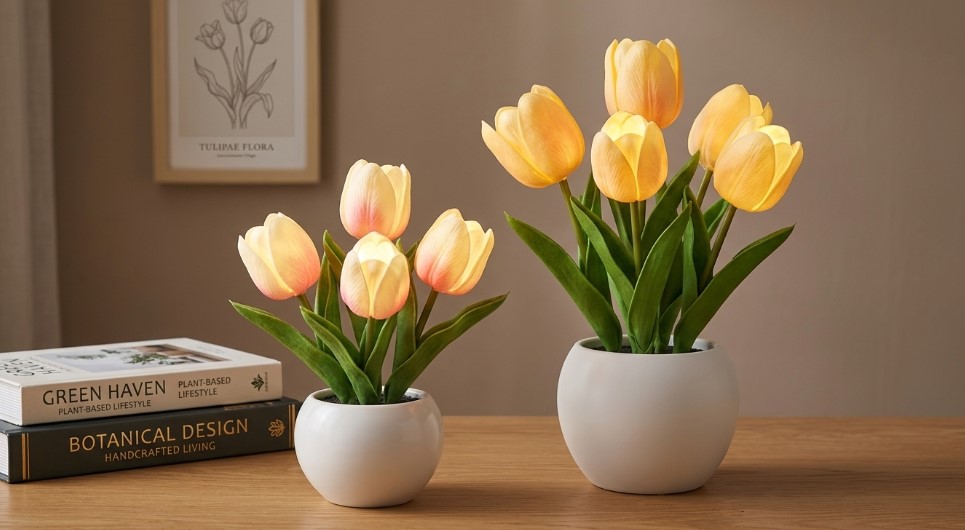
Creating a Flower Lamp: A Simple Way to Make Beautiful Decorative Lighting
Introduction: How to create beautiful designs using simple materials
There’s an intimate feeling about lighting. A flower lamp combines soft glow with artistic expression. Exploring how to create a flower lamp provides an opportunity to engage in a hands-on creative discipline, which includes creativity, patience, and imagination.
Unlike commercial lighting, a flower lamp is an expression of the individual who created it. Whether you favor pastel coolers or bold flower shapes, you’ll create an inviting, warm light with your flower lamp that enhances the look of any room.
What’s Unique About a Flower Lamp?
To understand how to make a flower lamp, it’s important to understand how a flower lamp is different from other types of lamps. Flower lamps are typically made from petal-like materials surrounding a light source. Therefore, flower lamps project a soft, natural glow into a room.
There are several reasons readers prefer flower lamps:
They are a decorative, nature-inspired addition to their home’s décor.
They provide soft illumination, ideal for creating a calming ambience in their home.
They can be used in a variety of places throughout their home, including bedrooms and living rooms, or as gifts.
Additionally, the beauty of making a flower lamp is that the materials involved are relatively simple and basic, yet with such simplicity, people can produce results that are elegant.
Materials You Will Need to Create Your Own Flower Lamp
You don’t need expensive equipment to create your own lamp; you can find most of the materials required to make your own lamp easily, and as a beginner.
The materials required include:
Artificial or handmade flower petals (fabric or paper)
LED bulb or small light source
Lamp Base/Stand
Glue (Hot Glue is preferred)
Wire or Frame (for structure)
Scissors & Tape
Scissors and cellophane tape: a guided creation of your own lamp using a DIY kit branded Lamp4u.shop. Some people find it easier to design lamps if they know where to begin, and with the help of a kit from an online retailer such as Lamp4u.shop, anyone can create beautiful lamps with their own personal touch.
To create a flower lamp, first consider what kind of flower you would like to use: a rose, a lotus, or simply an abstract floral pattern. Next, decide on the coolers you wish to use; pastel coolers may evoke feelings of calm, while vivid coolers create an eye-catching statement. Finally, consider how large or small you want your lamp to be. Will it be a bedside lamp or will it be a larger piece? You may find it helpful to sketch out your ideas before you begin creating to help you visualize what you want the finished product to look like, so that you have an idea of how the final flower lamp arrangement will look.
A step-by-step guide to creating a flower lamp
1. Prepare the lamp base- you will want to use a base that is supportive, practical, and will be able to hold the light source as well as other materials that you may decide to add to the lamp.
2. Create the flower shape- a basic frame or wire frame to give your flower its shape. This frame will act as your base layer, where you will attach your flower petals.
3. Attach the flower petals- begin adding your flower petals to the frame or to the lamp. Start at the center of your flower, working your way out. You may wish to layer your flower petals for a fuller flower. You will also want to ensure that your flower petals are evenly spaced to create a symmetrical flower shape.
4. Add a light source- for the light source, please place an LED bulb or lamp inside your flower shape. We recommend using an LED light bulb to reduce the amount of heat generated by incandescent bulbs; incandescent bulbs can be dangerous for the flowers and will not give you the effect that you desire.
You want to have the light distribution across the petals maximized, so ensure your lighting is positioned correctly.
Checking & Modifying
Confirm all connections are secure, and you may need to modify the petals to get the best distribution of light from the lamp.
Previewing your Lamp
Turn the lamp on to see how the light affects the petals. This will allow you to see if you have any gaps or uneven distribution of light.
Alternate Styles for Creating Your Lamp
Having mastered how to build a flower lamp, you'll be able to create an infinite number of unique, creative designs.
Stacked petals:
Giving the illusion of a large, realistic flower.
Minimalist design:
Using fewer petals for a modern look.
Color blending:
Shades that blend for a gradient effect.
Mixed materials:
Use both paper and fabric to give your lamp texture.
Each alternate type of style will give your lamp a completely different appearance, allowing you to customize it to your own space.
Tips for Better Results
Taking care of just a few small things can add up and will lead to a final product that looks much better.
Use lightweight items to avoid stressing the structure.
Use LED light bulbs that are warm for a softer appearance when illuminated.
Make sure the glue is applied cleanly, so it has a finished look.
Work on your lamp in sections and not all at once.
By following these simple tips, you will ensure that your lamp has a polished appearance and will work well.
Where to Place Your Flower Lamp
Where you put your flower lamp after it is built is just as important as how to build it, to give the best possible output effect by its placement.
Best locations include:
Nightstand to provide a soft nighttime illumination.
The corner of a living room is a nice decorative feature.
At a desk for a productive, creative environment to aid in your work.
By having a flower lamp in the appropriate location, it is guaranteed to enhance both your lighting and your décor.
Mistakes to Avoid
Many novice flower lamp makers encounter some common obstacles in the construction process:
Poor Material Choices – Heavy materials that will cause the structure to collapse.
Light Placement – The lightbulb is placed too close to the petals and burns them.
Dead Flowers – By using too many materials, some will die off before completing your project.
Structure Balance & Symmetry – When constructing a structure, there must be proper balance and symmetry. Avoiding these four issues during the process will improve your time effectiveness and your results.
In Summary: The Confluence of Creativity and Lighting
Creating a flower lamp is NOT JUST ABOUT THE DIY PROCESS! It is also about creating something of value to you through your own vision. You have total control over all aspects of the lamp, from the materials in your lamp to the arrangement/placement of the petals.
By understanding the process of creating a flower lamp, you will be able to take the basic components of a lamp and assemble them into an illuminated, beautiful work of art. If you are creative and take the time to do it right, you will be able to create an artistic statement in your home or as a gift to someone special.