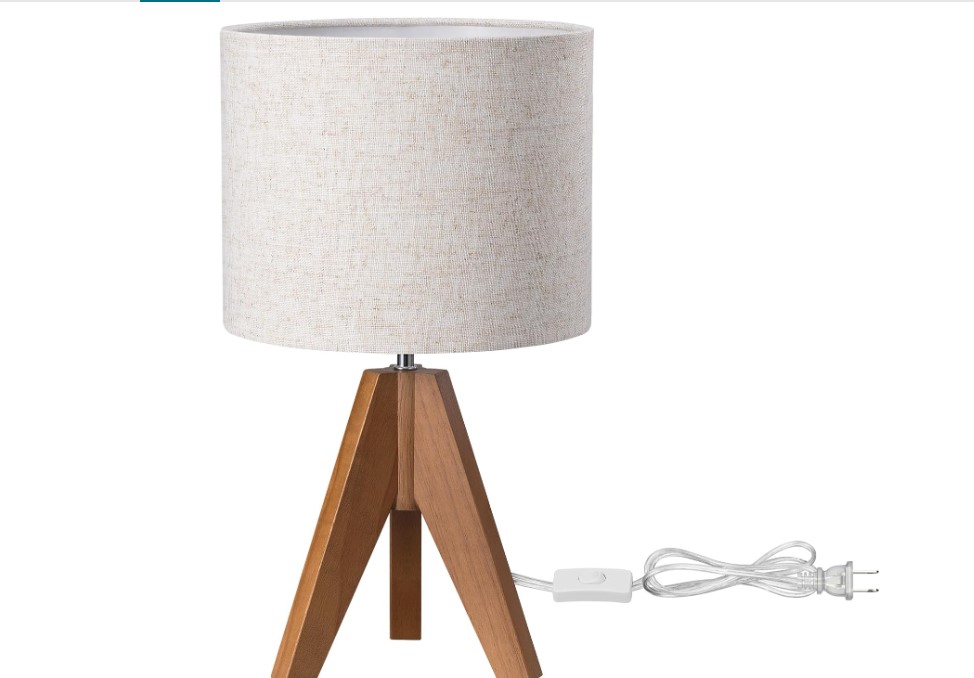
Creating the perfect lighting can be achieved with a lot of thought
The height of a lamp can affect the following factors:
Direction of light: whether the lighting source produces direct light to the eye or produces soft diffused lighting around the room. Comfort level both when sitting or lying down; when reading & relaxing; Visual balance with furniture, i.e., sofa, chair, or desk.
If you choose to make a poor decision on the height of Table Lamps when decorating a room, you won’t even know why & your decision will seem awkward. On the other hand, if you select the appropriate height of a lamp, it will blend in like it belongs there and will feel right when you do.
General Rule for Height of Table Lamps
A basic rule of thumb for the heights of Table Lamps in typical situations would be as follows:
The bottom of the lampshade should be close to your eye level when in a seated position.
Practically speaking, this means Table Lamps are usually between 24 inches and 32 inches tall.)
The purpose of this range is to reduce direct bulb visibility while still allowing sufficient reading and relaxation light.
Chair/Table Height Consistency
Not only does lamp height come into play with their overall style, but it also allows them to match their surface height to the height of the lamp itself.
Lamp Height to Match Nightstand Height
The height of the nightstand where the lamp will be placed should be very similar to that of the lamp. This way, the nightstand/lamp combination will give you a good eye-level lighting source for reading while sitting on the bed.
Example:
• Nightstand height = 24 inches
• Lamp height = 24-28 inches
This combination will provide a very comfortable, well-balanced world for nighttime reading.
Chair/Table Height Uniformity in the Living Room
Most table lamps in living rooms are used beside sofas/chairs. The purpose of these types of lamps is to provide soft, indirect lighting.
Typically, a slightly taller lamp (26-30 inches tall) will keep the light above eye level and minimize glare while providing adequate coverage for the living area.
Workspace: Desk Height/Function
Workspace lamps should function based more on their intended purpose than on any other factors. You will want to use a lamp that is slightly shorter than your desk to provide adequate lighting directly onto the workspace below. Most sectioned or mid-height lamps will fulfill these needs more than decorative tall lamps.
Comprehensive Proportion
Height relates to the overall size of other items in the same area, as well as the overall height compared to your overall space.
Lamps should look proportionate to:
• The lamp's supporting surface
• Other surrounding furnishings
• The overall size of the area
Example: A small lamp will look ridiculous on a massive table. Conversely, a gigantic lamp will dwarf a tiny table.
How to Determine the Ideal Height of a Lampshade
While it is easy to overlook lampshades, they actually impact both the height and comfort of a lamp. To be properly sized, a lampshade should:
• Cover the lightbulb.
• Be low enough so that it does not cause glare.
• Be proportional to the lamp base.
If a lampshade is too short, you will be able to see the light bulb; if the shade is too tall, it will block too much light.
In general, the shape of your lampshade should take up no more than one-third of the total height of your lamp.
Common Mistakes When Choosing Lamp Height
Even the best intentions can go wrong when it comes to lamp height. Make sure to steer clear of these common mistakes.
1. Not Considering Eye Level
You probably want to be able to see your light bulb only when you are standing. If you are seated and can see your light bulb, your lamp is most likely too tall, or your lampshade is too short.
2. Selecting a Style Without Considering Function
3. Not Taking Room Use Into Account
You may have decorative lamps in your room for ambiance, but if they are intended to provide illumination for tasks, they should be more carefully placed. Finally, if you have identical lamps placed throughout your home, and their heights are inconsistent, you might be unhappy with their placement.
A Quick Test for Height
If you are unsure of the height of your lamp or lampshade, there’s a quick test.
1. Sit in the position that you will be using the lamp most often.
2. View the lamp from that position.
3. Adjust the height (or imagine there are different heights) until the light feels comfortable. The goal will be to make sure the light does not hit your eyes directly, in order to achieve an optimal setup.
In some cases, you might find that moving your lamp just an inch or so will allow for a better amount of comfort.
The Style and Function of Table Lamps
In addition to their practicality, table lamps are also a decorative addition. Having the right balance between these two elements can create the best possible setup.
• A slightly taller table lamp can help add elegance to a room.
• Whereas a shorter table lamp would create a cozy and understated feel.
• The ideal height for a table lamp creates harmony and unity within the space without being overly prominent.
Instead of concentrating entirely on measurements, you should also take into consideration how the lamp interacts with its surroundings. Does it seem to fit? Is it providing you with the right type of light?
If you answered yes to those questions, then you are in the right direction.
Conclusion
So, how tall should your table lamps be? That can range from some general guidelines to simply what feels comfortable for you.
As a general guideline, aim for a height of between 24 and 32 inches; have the bottom of the lampshade at your eye level when you are sitting down. Once you have your lamp at the general guideline level, small adjustments can fine-tune the look and feel.
The most interesting aspect of this process is that it’s not all about technical specifications and measurements; it’s equally about visual and personal. The “perfect” height for a table lamp isn’t so much about a number as about how it fits into your everyday life.
Once the balance is found, you will notice an immediate difference—lighting will feel better, the space will appear more organized, and everything will just run more smoothly.